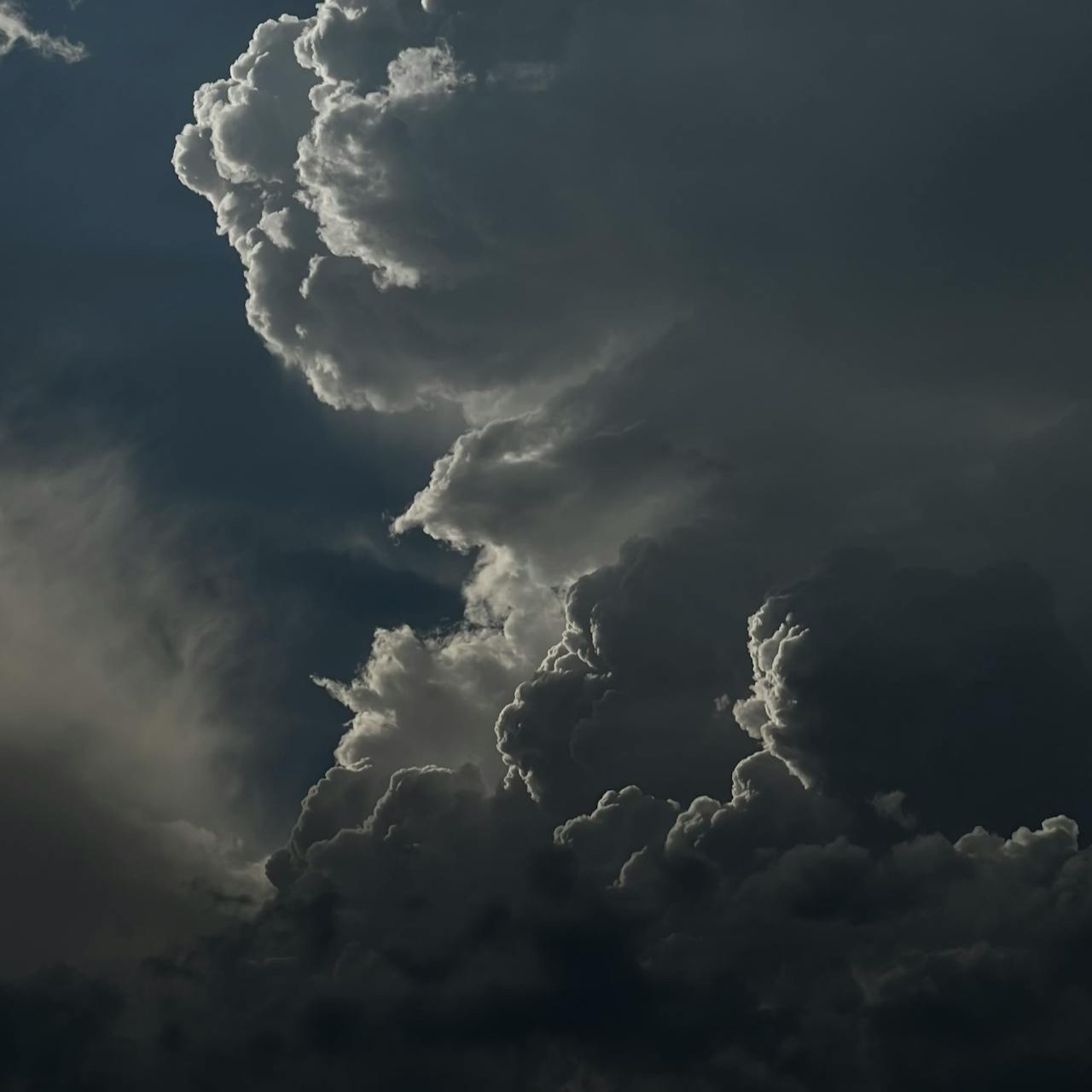
The rainy season in Guatemala, locally spanning from May to November, transforms the landscape into a vibrant, lush green environment. For foreigners and investors visiting or living in the country, understanding this weather pattern is essential for daily planning. Rainfall in Guatemala is highly predictable and does not typically mean grey, ruined days. Instead, the typical winter day begins with clear, sunny skies and warm temperatures throughout the morning, followed by a noticeable buildup of clouds after midday that culminates in heavy downpours during the late afternoon or early evening.
The volume of precipitation varies dramatically depending on the geographic region of the country. The Pacific coast and the western highlands experience some of the heaviest rainfall due to moisture coming from the ocean, while the northern lowlands of Peten experience a more tropical, humid pattern. On average, the country receives significant annual rainfall, but the mountainous topography creates unique microclimates. This means that while one valley is experiencing a torrential storm, a neighboring area just a few kilometers away might only receive a light drizzle.
At Lake Atitlan, the rainy season possesses a very distinct and breathtaking character. The surrounding volcanoes heavily influence the local weather, trapping moisture within the lake basin. Mornings on the lake are usually pristine, offering glassy water perfect for boat travel between villages. By 3:00 PM or 4:00 PM, thunder begins to echo across the water, and intense, short lived storms roll in. These afternoon downpours are often spectacular, accompanied by dramatic lightning displays over the volcanic peaks before clearing up again later in the night.
When the heavy rains hit the Lake Atitlan region, the lake itself undergoes visible changes. The increased runoff from the surrounding hillsides carries organic materials and sediments down into the basin through local rivers and streams. This influx of freshwater can temporarily alter the water clarity near the shores and affect lake levels, which local municipalities and environmental organizations monitor closely. For residents and visitors, this seasonal shift requires extra caution when traveling by boat or driving on the winding mountain roads around the basin, as landslides and sudden fog can impact visibility and transit safety.