Getting to Lake Atitlán from Guatemala City’s La Aurora International Airport involves navigating roughly 75 miles of winding highland roads. While the distance seems short, actual travel times vary drastically depending on local traffic. If you leave the capital during rush hour, typically between 7:00 AM and 10:00 AM or 4:00 PM and 8:00 PM, a drive that normally takes 3.5 hours can easily stretch into 5 or 6 hours. For absolute peace of mind and convenience, pre-booked private transfers or shared tourist shuttles are highly recommended. While ride-sharing apps like Uber operate reliably within Guatemala City and Antigua, finding a driver willing to accept a long-distance, multi-hour trip down to the lake is incredibly difficult, making it an unreliable option for your arrival day.
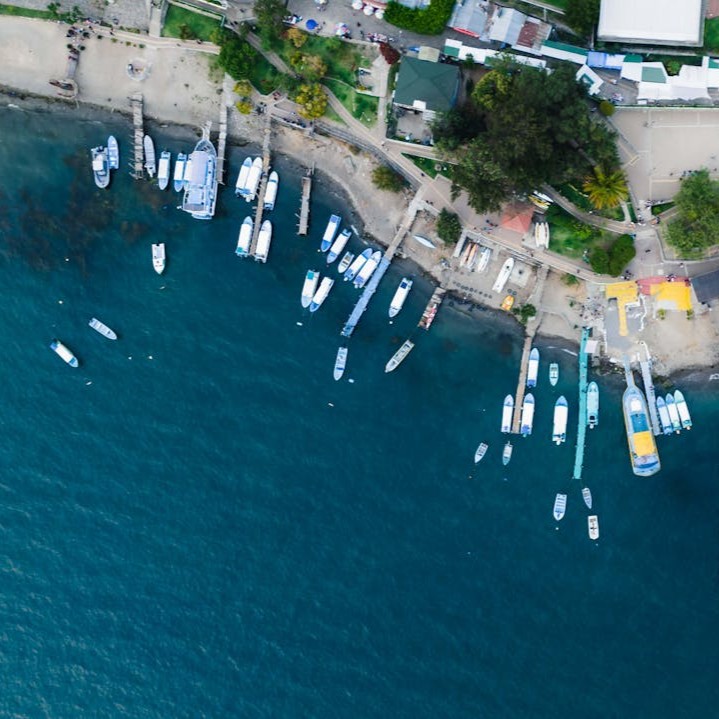
Once you reach the lake, the geographic layout completely changes how you move. The primary transport hub is Panajachel, and from there, the absolute best way to travel between the lakeside villages is by water. Public boats, locally known as lanchas, operate like a water-bus system connecting the major towns. These boats run continuously from early morning until around 5:30 PM, costing between 15 to 40 Quetzales depending on the distance. If you miss the final public boat or value a flexible schedule, you can hire a private lancha at the public docks, though it is always wise to clarify and agree upon the fare with the captain before stepping on board.
For land transportation within the individual towns, the local tuk-tuk, a small, three-wheeled motorized vehicle, is the standard choice. They are perfect for short trips up steep hills with luggage, but they operate under community-specific flat rates rather than meters, so asking your hotel or a local resident about standard fares beforehand prevents overpayment. While traditional public buses, affectionately called “chicken buses,” are a common sight on the roads leading into Sololá and Panajachel, they are generally crowded, run on unpredictable schedules, and require a high level of Spanish fluency to navigate safely. For long-term investors and residents, building a network of trusted, private drivers is often the safest and most efficient strategy for moving goods and clients around the region.